Small Grants, Big Gatherings: Culture on Your Doorstep

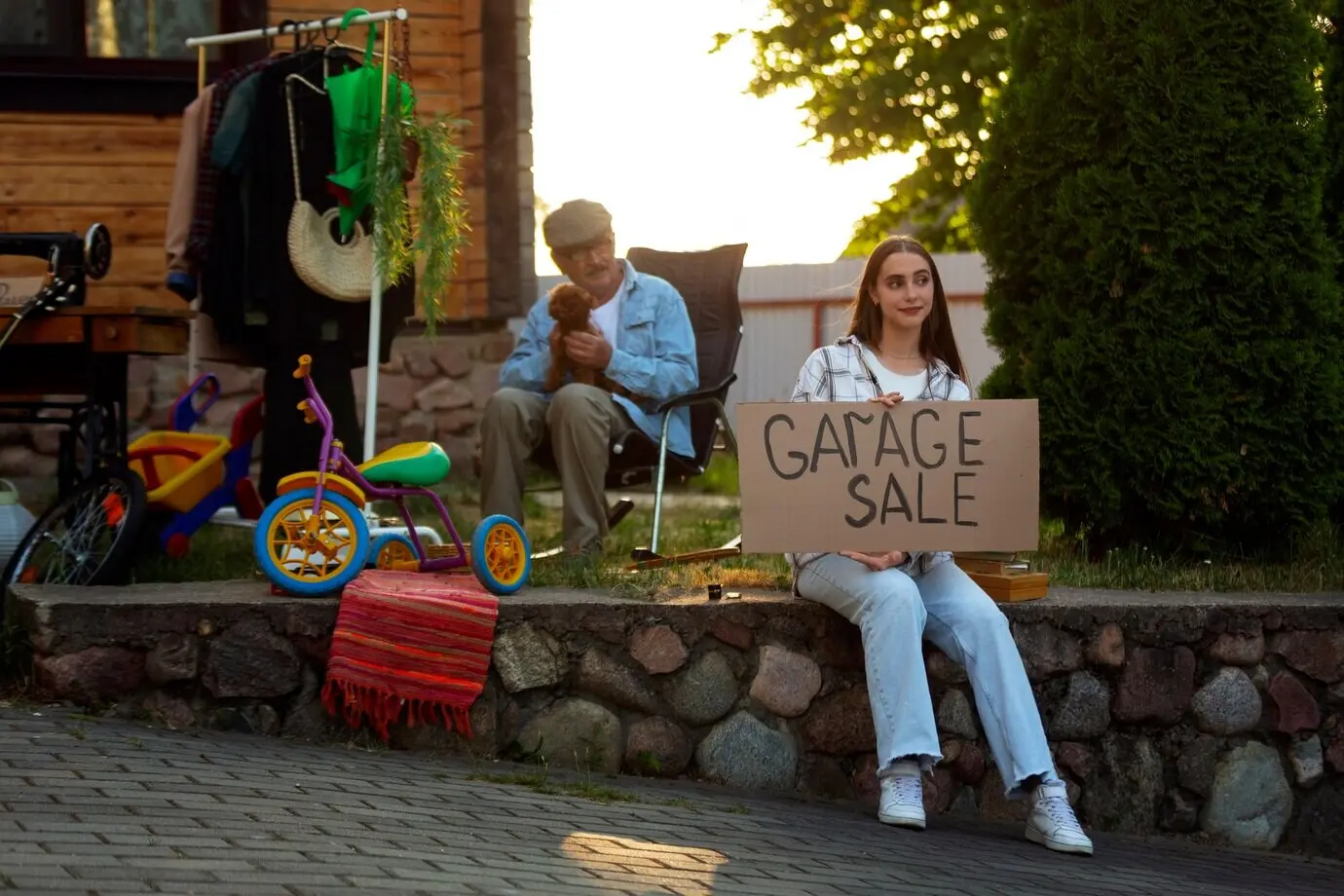
Today we spotlight micro‑grant models that help fund hyperlocal cultural gatherings—block concerts, courtyard dinners, pop‑up exhibitions, and playground poetry nights. Discover how tiny, trust‑based investments unlock neighbor energy, reduce administrative friction, and turn sidewalks into stages. We’ll explore funding mixes, fair decision processes, light reporting, and real stories, while inviting you to pitch, collaborate, subscribe, and share what your street could celebrate together this season.

Why Small Money Moves Communities

When resources arrive in small, timely doses, neighbors say yes faster, try bolder ideas, and feel ownership instead of permission‑seeking fatigue. Micro‑grants convert curiosity into action by lowering risk, spreading responsibility, and letting culture bloom where people already gather. These nimble spark funds translate goodwill into gatherings, proving that a few hundred dollars, handed with trust, can build bridges that bigger budgets often overlook.

Small Funds, Big Trust

A tiny grant signals belief more loudly than a thick application ever could. It says, “We see you, and your idea deserves daylight.” That confidence shapes behavior: organizers invite shy neighbors, volunteers show up, and local spaces become accessible. Trust capital compounds as people return, remembering how easily support appeared the first time.

Lower Barriers to First-Time Creators

Many cultural organizers are brilliant but inexperienced with paperwork. Micro‑grants remove heavy forms, insurance labyrinths, and intimidating juries. By shrinking hurdles, we widen the circle of who gets to convene. First‑time applicants learn by doing, gain gentle feedback, and graduate from hesitation to momentum, carrying skills to future projects and mentoring the next wave.

Speed That Matches Neighborhood Rhythm

Culture often moves at the pace of weather, school calendars, and sudden inspiration. Micro‑grants respect that tempo with quick reviews and immediate disbursement. Instead of missing a sunny weekend or holiday lull, organizers catch the moment. Fast cycles encourage iteration, letting crews adapt formats, test ideas, and refine gatherings while community enthusiasm stays fresh and visible.

Designing Decisions People Believe In

Legitimacy grows when decisions feel understandable, fair, and close to lived reality. Clear criteria, short forms, and community reviewers replace mystery with transparency. Applicants see why choices were made and how to improve. Publishing timelines, budgets, and selection notes strengthens trust. When neighbors help decide, funding reflects local nuance, balances voices, and protects the intimacy that makes gatherings special.

Funding Sources That Keep the Lights On

Durable micro‑grant programs blend money and goodwill: neighborhood businesses, public funds, and community contributions. Diversifying sources smooths seasonal dips, shares ownership, and secures independence. In‑kind support stretches each dollar, while small recurring donations build resilience. By matching grants with sponsorship and volunteer energy, programs survive beyond a single cycle and grow roots that hold during uncertainty.

Distribution Models That Fit the Block

One neighborhood needs rolling decisions; another prefers quarterly gatherings with shared feedback. Select disbursement rhythms that reflect local calendars, spaces, and volunteer capacity. Blend cash with material support, mentorship, and permits. Pilot new formats, publish learnings, and refine. The right model bends toward accessibility, and the best proof is full courtyards and returning neighbors.

Rolling Micro-Stipends

Keep a small pot always open, deciding weekly or biweekly. Rolling micro‑stipends capture spontaneous ideas and respond to shifting needs, like weather or school breaks. Cap awards to spread opportunity widely. Publish quick notes on decisions so applicants learn continually, keeping energy high and bureaucracy minimal for both organizers and volunteer reviewers.

Seed, Grow, Share

Offer a ladder: tiny seed grants for first attempts, slightly larger follow‑ups for successful pilots, and peer mentorship as repayment. Applicants document what worked and share templates with the next cohort. The ladder rewards learning, not perfection, allowing gatherings to evolve organically while building an archive of practical knowledge for newcomers.

Match Funding That Multiplies Trust

Pledge to match what organizers raise from their block, whether cash, volunteer hours, or donated space. This approach validates community backing and stretches limited funds. Track contributions transparently, including non‑monetary value. Matching builds pride, reduces dependency, and signals that cultural life thrives when everyone contributes something tangible to the shared experience.

Measuring Impact Without Killing Joy

Evaluation should clarify, not suffocate. Focus on meaningful signals: who felt welcome, which relationships deepened, and what returns. Combine short surveys with story circles, photos, and attendance snapshots. Publish insights promptly so future applicants benefit. Good measurement celebrates culture’s subtle effects—confidence, connection, belonging—while protecting the spontaneity that makes small gatherings unforgettable and repeatable.

Light Metrics, Deep Meaning

Track just enough: attendance ranges, cost per participant, diversity of formats, and neighborhood representation. Add a simple inclusion question and one open reflection. Light metrics travel easily across events, enabling comparisons without burden. They reveal patterns that help improve outreach, timing, and accessibility while leaving room for the uncountable magic people carry home.

Stories as Data, Data as Stories

Invite short audio notes or captioned photos from attendees. Pair them with a few numbers to map sentiment and reach. When organizers explain a joyful surprise or a tough moment, that context turns data into guidance. Stories motivate funders and neighbors alike, showing precisely why small investments produce outsized connection and lasting memory.

Open Dashboards, Open Accountability

Share a public ledger of grants awarded, timelines, basic outcomes, and anonymized feedback. Keep it readable on mobile phones. Openness discourages favoritism, welcomes advice, and teaches new applicants how success looks. When a community can see itself in the data, trust expands, and invitations to collaborate become easier, faster, and more joyful.

Your First Grant, Step by Step

If you have a spark, we want you to try it. Draft a simple plan, recruit two neighbors, and pick a date. Sketch a budget that matches your ambition, then apply to the next micro‑grant cycle. Subscribe for announcements, ask questions in comments, and share progress so others can cheer, join, and learn alongside you.
Pezokefumavimi
Privacy Overview

This website uses cookies so that we can provide you with the best user experience possible. Cookie information is stored in your browser and performs functions such as recognising you when you return to our website and helping our team to understand which sections of the website you find most interesting and useful.