
Small Streets, Big Joy: Neighbor-Made Micro-Festivals
Why Tiny Gatherings Spark Big Change
Permits, Boundaries, and Care
Call your city’s special events office early, even for tiny gatherings. Ask about sidewalk use, amplified sound limits, and pop-up insurance or waivers. Mark edges with bunting, not barricades, and station friendly stewards who greet, answer questions, and watch for accessibility needs, overheating, lost items, or conflicts.
Budgets That Invite Participation
Keep money humble and transparent. Use a whiteboard to show expected costs and invite pay-what-you-can contributions, barter, or micro-sponsorships from corner shops. Prioritize essentials: restrooms, water, safety, and cleanup. Small grants, raffle jars, and borrowed gear stretch possibilities while keeping the celebration neighbor-sized and wonderfully approachable.
Roles, Run Sheets, and Rhythm
Define lightweight roles—host, greeter, sound wrangler, cleanup captain, kid-zone buddy—and assign short shifts so everyone enjoys the day. A one-page run sheet with phone numbers, timing blocks, and contingency notes prevents stress. Rhythm matters: alternate high-energy moments with calm pauses for conversation and spontaneous connections.
Programming That Feels Homemade
Music, Sound, and the Neighborhood Pulse
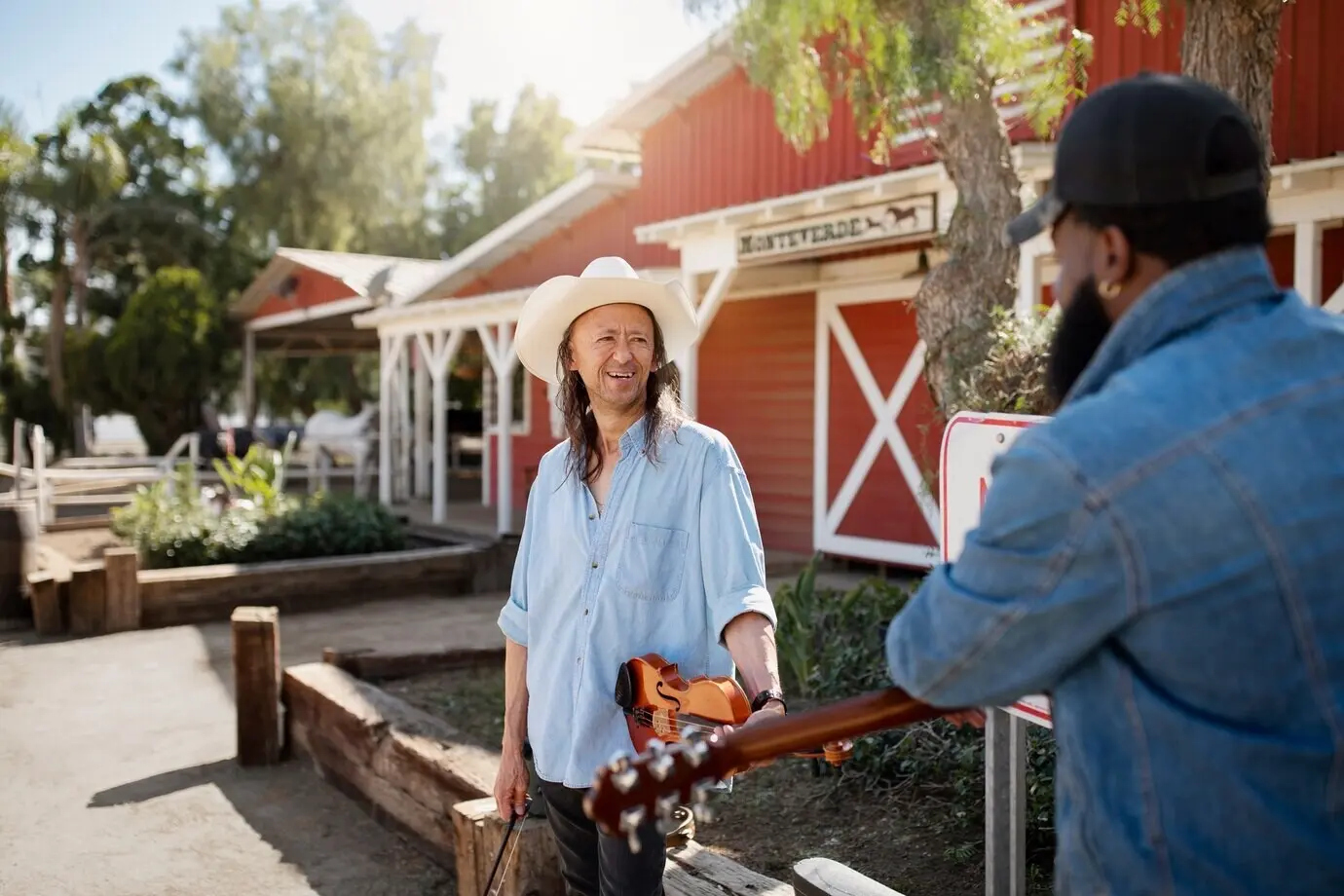
Favor unplugged sets or battery-powered amps to respect residents and birds alike. Rotate acts from mellow to lively to suit the hour. Invite sing-alongs and call-and-response moments that teach simple choruses, turning sidewalks into choirs and allowing shy voices to join without pressure or polished technique.
Food That Travels Well and Welcomes All
Design a potluck table with clear labels for allergens and dietary choices. Encourage small, shareable portions, thermoses of tea, and a communal hydration station. If regulations limit home-cooked offerings, highlight packaged snacks from local vendors and invite recipe cards for a neighborhood digital cookbook after the event.
Workshops, Play, and Skill-Sharing
Host fifteen-minute micro-classes: bike tune-ups, balcony gardening, salsa basics, phone photography, or kite-making. Keep supplies simple and reusable. A kid-led craft zone with cardboard, markers, and tape unlocks creativity, while adult mentors float, cheer, and gather future ideas from the joyful mess that follows every session.
Designing for Everyone on the Block

Mobility, Sensory Support, and Comfort

Language, Signals, and Invitations

Care Teams and Gentle Security
Greener Footprints, Brighter Memories
Waste Less Without Scolding
Frame sustainability as a game. Award silly prizes for cutest reusable cup, most creative leftovers plan, or best bike basket. Station friendly “bin buddies” to help sort. Share a post-event tally celebrating pounds diverted, money saved, and habits neighbors promise to keep between gatherings, together and proudly.
Materials That Live Many Lives
Choose fabrics, chalkboards, and modular signage that fold into a small storage tub for next time. Borrow canopies and lights from residents. Build simple coroplast arrows with zip ties. Document where items live so anyone can borrow them, reducing costs and making repetition effortless across seasons and generations.
Spreading the Word and Sustaining the Glow
From Doorbells to Newsfeeds
Combine door-knocking and lobby meetups with posts on neighborhood apps, group chats, and a simple landing page. Use one memorable hashtag. Repeat key details three times across all channels. Friendly repetition lowers confusion, boosts turnout, and shows new residents they are truly invited, expected, and warmly welcomed.
Capture Stories With Consent
Designate a storyteller to collect quotes, recipes, and mini-interviews. Use photo release stickers and offer a no-photography wristband. A DIY audio postcard station invites reflections. Later, share a gallery highlighting people, not brands, and ask readers to submit their own memories in comments or voice notes.
All Rights Reserved.